Vonda, the Decadent Beauty is back with more questions regarding natural hair care and maintenance.
Vonda: I've been using olive oil as a hot oil treatment, is there a certain hot oil treatment that's better to use?
DB: Not really. You can use any oil of that you like. As long as you're saturating the hair from root to tip and getting the scalp as well. Olive oil is good on it's own. You can enhance the olive oil by adding some coconut oil, jojoba oil and vitamin E if you like. Here's a simple recipe:
1/2 to 1 c Olive oil (adjust depending on the length and volume of your hair)
2 Tbsp Coconut oil
2 tsp Jojoba oil
1 tsp Vitamin E oil
In a double boiler heat your up your coconut and olive oil for about 10 to 15 minutes over a low heat. Remove from heat and let cool for 10 minutes. Add in jojoba and vitamin E oil and pour into an applicator bottle. Coat the entire scalp and hair shaft from root to tip. Put on a plastic cap/bag and wrap a towel over that and leave on for 15 minutes.
Wash hair thoroughly to remove the oil.
DB: How's your hair in the front doing? How many inches of new growth would you say you have?
Vonda: It's still straight with a slight wavy pattern to it. It's almost like it's a totally different texture. I have about 2 to 3 inches of new growth.
DB: That's ok, 2 to 3 inches is good. Just give it time and you'll learn how to deal with it as time goes on.
Vonda: Yeah, it's grown a lot. I'm excited about it this time around and it seems a lot healthier. I'm going to get braids pretty soon so I don't have to worry about it for a while. Are micro braids good for natural hair or should I get twists?
DB: That's good. Overall health is what's most important. Whether it's twists or braids make sure that your hair isn't braided or twisted tightly at the root, especially your edges. Let the braider know that up front because you can always go back in a few weeks time to get them touched up. Also, I suggest doing a deep conditioning treatment the night before and take in your own hair butter or favorite moisturizing styling product.
Vonda: So a braider can use hair butter when they braid your hair?
DB: Yes, some braiders will braid your hair with a product and some don't. If the braider uses a hair product on your hair while braiding make sure it isn't a petroleum and/or mineral oil based product. You want your hair to be moisturized and the scalp and hair shafts to be able to breathe. Also don't be afraid to ask the braider your questions before hand so that you feel comfortable. Remember that it's your hair, time and money.
Vonda: If I run out of distilled water can I use boiled water instead as a base for my hair spritz?
DB: Although distilled water is best, boiled water will do when you're in a pinch just be sure to add a natural preservative like honey, tea tree oil, vitamin E or grape seed extract.
Vonda: What are some good YouTube channels that I can watch to learn how to do some styles besides two strand twists?
DB: There are so many of them out there. The ones that come to mind at the moment are MahganyKnots, Glamazini, MsVCharles, Mahogany Curls, MyNaturalSistas, Naptural85, PrettyDimples01 and ToniDaley80
Vonda: Is Kool-aid a good coloring agent to use on natural hair?
DB: No. I would recommend that you stick to natural dyes like henna and indigo are just a few that come to mind. If you're going to use store bought hair dyes or go to a hairstylist then I recommend doing a hot oil treatment at least 24 hours before and a deep conditioning treatment afterwards. Commercial hair dyes have alcohol in them, which can be very drying to the hair. Check out this website to look up the ingredients of Kool-aid.
Friday, April 6


Friday, December 30
Hair Cream Recipe
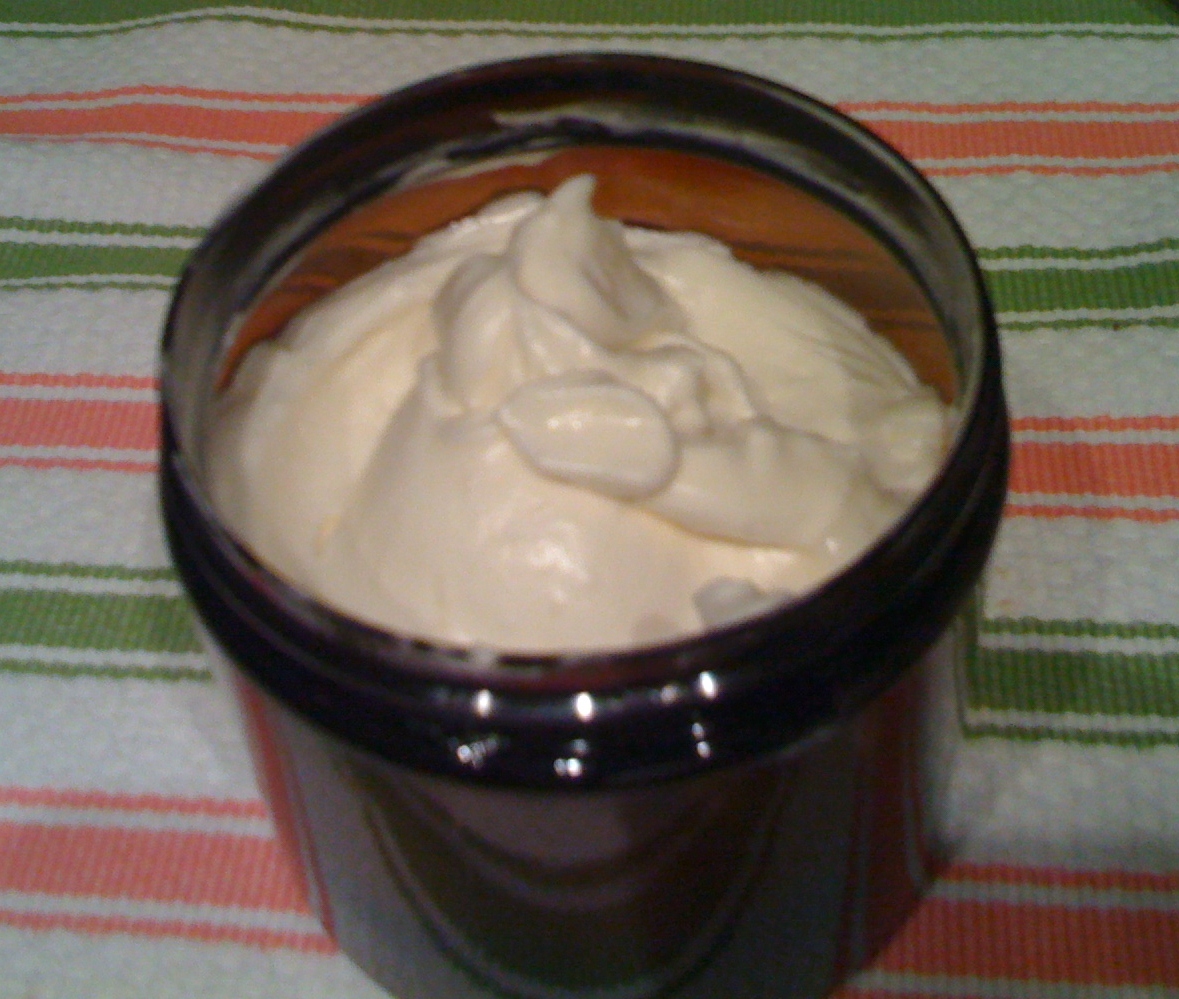
Here's a quick and easy recipe for a soft silky hair lotion
Soft & Silky Hair Cream
1-1 1/2 cup Aloe Vera Gel or Juice
3 Tbsp Olive Oil
3 Tbsp Shea butter (can also use cocoa, illipe or kokoum butter instead)
1/2 Tbsp Coconut Oil (optional-can use avocado, sesame or whatever you desire)
2 Tbsp Castor Oil (provides shine)
1 Tbsp Honey (provides shine and moisture)
2 tsp Vitamin E Oil
2 tsp Jojoba Oil
2 Tbsp Emulsifying Wax, vegetable based
2 tsp Steraic Acid (this is a natural vegetable based wax)
5 drops Lavender Essential Oil
5 drops Sweet Orange Oil
5 drops Rosemary Essential Oil
Water Phase:
In a medium bowl combine aloe vera gel (or juice) and honey.
Oil Phase:
In a double boiler heat up olive, coconut, castor oils and add emulsifying wax and steraic acid over a medium heat. Stirl until wax and acid have completely dissolved. Remove from heat, add shea butter and stir until partially or completely melted. Let cool for about 10 minutes.
Combine water phase and oil phase. Then add in vitamin E, jojoba and essential oils. With a hand mixer or stick blender thoroughly mix for 15 minutes. Let mixture rest in fridge or freezer for about10 minutes then blend again for another 15 minutes, make sure to scrape down sides of the bowl. You'll notice that because there's more water in this mixture than oils that it's going to have a pudding like consistency. Pour into desired container and store in a dry, cool place.
Thursday, December 29
Remedying Dry Hair

Dry hair happens when oil and moisture escapes your hair and it becomes dry and lacks sheen and softness. It feels rough, looks dull, appears frizzy and breaks off easily. The longer hair stays dry the more prone it is to become brittle and dull. Some people will experience dry hair that comes and goes due to various outside influences such as excessive washing, weather (sun and wind) stress, diet, health (illness or disorder), etc. Also try to avoid shampooing with shampoos laden sulfates, rinsing with hot water, and using heated appliances (flat irons and hair dryers).
Healthy hair has a moisture content of 10%. So if your hair's moisture content falls below that then the ability for your hair to retain moisture decreases, which causes the hair to lose elasticity and suppleness.
There are many different cost effective and natural ways that you can remedy your dry hair.
Vitamins - Take a look at the vitamins you're taking or not taking. Biotin has been known to help strengthen hair. Fruits (orange colored) and vegetable (dark leafy greens) that contain vitamin A not only taste good but help to keep the hair from drying out.
Moisturizing - Drinking lots of water provides moisture to your hair. Spritz your hair and/or apply an oil to moisturize the hair strands helping to keep them healthy.
Deep Conditioning - This process helps to bring much needed moisture to the hair and allows the conditioning treatment to penetrate the cuticle and shaft of the hair.
Avocado Hair Mask
1/2 avocado (or 1 over ripe banana)
3 1/2 oz coconut milk (half a can; can also use yogurt if desired)
2 oz coconut oil
1 Tbsp castor oil
1 Tbsp olive oil
1 tsp honey
Combine avocado and coconut milk in a food processor and puree until smooth (you don't want any chunks or lumps). Add in remainder of ingredients. Section hair and apply mixture from root to tip and cover with a plastic cap (or bag) then cover with a towel and let sit for 30 minutes to an hour. Rinse out with cool or lukewarm water.
Hot Oil Treatment - It's been proven many times that hot oil treatments are an effective way to adding moisture back to dry and damaged hair. They are most effective when applied to the hair anywhere from 3 to 6 weeks (this depends on how dry or damaged your hair may be). Click here for an easy recipe.
Protein Treatment - These treatments work to build the hair shaft back up so that it can retain much needed mositure. Click here for some basic and inexpensive recipes.
Wednesday, December 28
Dry Scalp? Causes & Treatments

Causes
Lack of moisture, harsh weather conditions or hair products laden with chemicals can cause a dry, itchy, and flaky scalp. An itchy, dry and/or flaky scalp usually means that it needs to breathe. Years of using products with chemicals can cause an allergic reaction. In some cases a dry and flaking scalp can be due to other conditions such as dandruff, eczema or psoriasis. Dandruff is caused when skin cells flake off, which are most commonly oily and not dry. Eczema is when a heavy amount of dandruff is accompained with an intense itchy scalp. Psoriasis causes the scalp to flake with silvery flakes and become red and irriated.
Here are some simple changes you can make to your haircare routine.
Scalp cleansing. Using apple cider vinegar helps to detoxify your scalp, open up the pores and bring the ingredients to cure the scalp condition. Many market products that are made for itchy scalp have too many chemicals, many of which cause the problem in the first place. Cleanse your scalp once a week or as often as needed.
Shampooing. Frequent shampooing can strip the scalp of moisture from its natural oils especially in the winter when there is a lack of moisture in the air. Follow up by moisturizing the scalp and hair with a good hair butter or your favorite oil. Using too much shampoo makes it diffuclt to rinse it all out and if any is left behind it dries and flakes.
Hot oil treatments. Apply a warm oil (i.e. olive) to the scalp and gently rubbing it in with the pads of your fingers. Cover with a plastic cap and wrap with a towel and let sit for 30 mintues to an hour. Wash out with a gentle or sulfate free shampoo and lukewarm or cool water.
Gently massage your scalp. This increases blood flow to the scalp, which helps to clear any blocked pores. Massaging your scalp also helps to loosen any dead skin cells, making them eaiser to wash away. Try not to scratch as scratching can leave cuts on the skin which may lead to infection.
Use less heat. Too much heat (blow dryers and flat/curling irons) can irritate and dry out the scalp, making it even flakier. Washing your hair with hot water can also add to the problem. Instead it's best to use lukewarm or cool water and let your hair air dry instead of using a blow dryer. If you must use a blow dryer than put it on the cool setting.
Cover your head when the sun is out. In the summer it's best to wear a hat to prevent your scalp getting sunburned, which adds to dryness.
Treatments
In addition to being a great astringent for the skin, apple cider vinegar (ACV) has been used for years to cleanse the hair and scalp of product buildup and environmental residue. It helps to control dandruff and prevent the scalp from becoming scaly or itchy. When ACV is infused with aloe vera and herbs it can condition, soften the hair without stripping it and restore pH balance. ACV clarifies and restores natural scalp balance while aloe vera restores your hair's natural pH balance.
ACV Cleanser
2 tablespoons Apple Cider Vinegar
1 cup Aloe Vera Juice
5 drops Lemon Essential Oil
5 drops Sweet Orange Essential Oil
Combine all ingredients in a bottle with an applicator tip. Apply cleanser to scalp and gently massage in with fingers. Wash out with a gentle or sulfate free shampoo with cool or lukewarm water.
Note: The base of aloe vera, lemon and sweet orange oil helps to nourish the hair shaft, leaving the hair soft.
Herbal ACV Cleanser
1/3 cup Apple Cider Vinegar
1 1/2 cup Aloe Vera Gel
1 teaspoon Nettle
1 teaspoon Calendula
1 teaspoon Rosemary
1 teaspoon Burdock Root
1 teaspoon Chamomile
1 teaspoon Horsetail
1 teaspoon Sage
1 teaspoon Oregano
1 teaspoon Licorice Root
1 teaspoon Willow Bark
5 to 10 drops Lemon Essential Oil
5 drops Lavender Essential Oil
5 drops Rosemary Essential Oil (optional)
Combine apple cider vinegar and herbs in a glass bowl and place over a pot of boiling water over medium heat (creating a double boiler) and let infuse anywhere from 15 to 30 minutes. Be sure to stir the mixture occasionally. After 15 minutes or so remove from heat, strain herbs through cheesecloth and mesh strainer and let stand until infusion is lukewarm. Add in aloe vera gel and essential oils. Use a whisk to break down clumps of aloe vera gel. Pour and store in a glass container, preferably an amber or colored glass bottle.
You can also combine the herbs, apple cider vinegar, aloe vera gel and essential oils in a large glass jar and let sit in a cool, dry place anywhere from a week to four weeks. Be sure to gently roll the jar one to two times a week.
When ready to use dilute 1-2 tablespoons of infused ACV to 1 cup of distilled water. Note: Dry or fresh herbs will give you the same results. You can use any essential oils you like.
Final note: You will want to use apple cider vinegar opposed to white vinegar because ACV is made from fermented apples while white vinegar is derived oxidized alcohol. Be patient as these treatments can take up to six weeks before you start to see the results you want.
Sunday, November 27
Natural Hair Q&A

The following questions are from a decadent beauty who's transitioning from relaxed to natural. At the moment she wishes not to have her picture posted.
Q: I just did a partial big chop. Is it normal that my hair is always shedding?
A: Shedding is normal especially after a "big chop". Because you're a newly natural it may seem a bit excessive because of the adjustment your hair is going through. Just know that our hair sheds on a daily basis unless of course it's in a protective style and there are those of us that shed more hair than others and that's normal. Now if you notice that there are some bald spots where you have shed some hair than that's a different matter all together like alopecia. I recommend seeing a doctor if that's the case.
Q: Ok, because it was a lot of hair. I didn't know if it was because I wear a lot of headbands or if it was thining.
A: Try not to wear headbands as much because the hair is trying to regenerate so the band is pulling and stressing the hair follicles. Thus why I suggest not using a brush. If you want to smooth down the edges of your hairline then spritz it with water, apply castor oil or gel and place a silk/satin scarf on it for about 10 minutes.
Q: Ok, I'll try that. Thanks. I have a long way to go with this natural hair thing. I just hope it begins to grow.
A: It will. Just remember to be patient, that's the key. On average our hair grows half an inch a month, which gives a total of 6 inches a year. Figure out a regular hair care routine and moisturize daily. You'll be fine.
Q: Is there a reason why my hair has two different textures? The front is straight with a slight curl to it and the rest is curly. Did the perm maybe change the texture?
A: It is normal to have more than one texture in your hair. And it is possible for the chemical of a relaxer or texturizer to change the texture of your hair. Watch that area as it grows out and if the ends are still straight while the new growth is curly then the ends of the hair is still relaxed and needs to be trimmed/cut off.
Q: How long does it take for a relaxer to grow out?
A: It depends on how fast your hair grows. Remember on average we get a total of 6" of new growth a year. There are those of us where our hair grows faster. You might want to trim off the relaxed ends every 6 to 8 weeks depending on how much growth you've acquired.
Q: Do you recommend micro (braids)?
A: Micro braids are fine as long as your edges or any thin/weak parts of your hair aren't braided to tightly. You don't want the hair pulled so tight that when you take them out your hair comes out with it.
Q: Can I use the mayo conditioner every week?
A: You can I would also recommend adding 5 to 10 drops each of rosemary and lavender essential oils because they're known to help promote hair growth.
Q: Are texturizers ok to use?
A: No. Although they're advertised to bring out the natural curl pattern of one's hair it's still a chemical. There are lots of natural products such as flaxseed gel, castor oil or shealoe that can enhance your natural curl pattern.
Q: I don't like how my hair looks and feels after doing the "big chop". I want it to look and feel softer. It was badly damaged, broken off and had varying lengths when it was relaxed. That's why I was considering a texturizer. What do you recommend?
A: Alternate between co-washing and shampooing, moisturize daily (whether it's with water, oil or a combination of the two), deep condition once a week and do a protein treatment once every 6 to 8 weeks. After about three months or so (if not sooner) you should notice the difference in how your hair feels.
Q: What if I decide to put my hair in a protective style for three months? Will that cause my hair any damage?
A: No. With your hair in a protective style it won't be prone to the daily manipulation of styling. Just be mindful to clean your scalp like with a ACV or rosemary/tea tree oil spritz and moisturize your hair and scalp as often as needed. Take care to shampoo or co-wash it as needed and seal in the moisture with a good hair butter. Wear a stain scarf or bonnet or sleep on a satin pillow case. Just a side note to that, if you're going to keep your hair braided for the better part of a year be sure to give your hair a 1 to 2 week breathing period. You don't want to risk thining edges or breakage/damage.
Q: Do you have a recommendation for a homemade hair spritz ?
A: 1/2 c distilled water, 1/3 c oil (coconut, almond, olive or any oil of your choice), 1/3 c vegetable glycerin or aloe vera juice and 5 to 10 drops of the essential voice of your choice (rosemary, lavender, etc.).
Q: Do I have to moisturize my hair with a water based spritz?
A: No. You can also use an oil (coconut, olive, etc.) or butter (cocoa or shea) of your choice to moisturize your hair and scalp.
Q: Is Argan oil an essential oil?
A: Actually Argan oil is a carrier oil. Essential oils are a concentrated oil derived from a plant or herb and have a strong natural fragrance to them.
Subscribe to:
Posts (Atom)
